
- Shopify
- Figma
How I Love Coffee Redesigned Its Shopify Buying Journey and Migrated Away From a Legacy Custom Checkout
I Love Coffee already operated an established Shopify store and had historically worked with a freelance Shopify developer. The project objective was to improve conversion performance by reducing friction across the highest-impact parts of the shopping journey while modernizing the checkout architecture and preserving a smooth purchasing experience for both B2C and B2B customers.
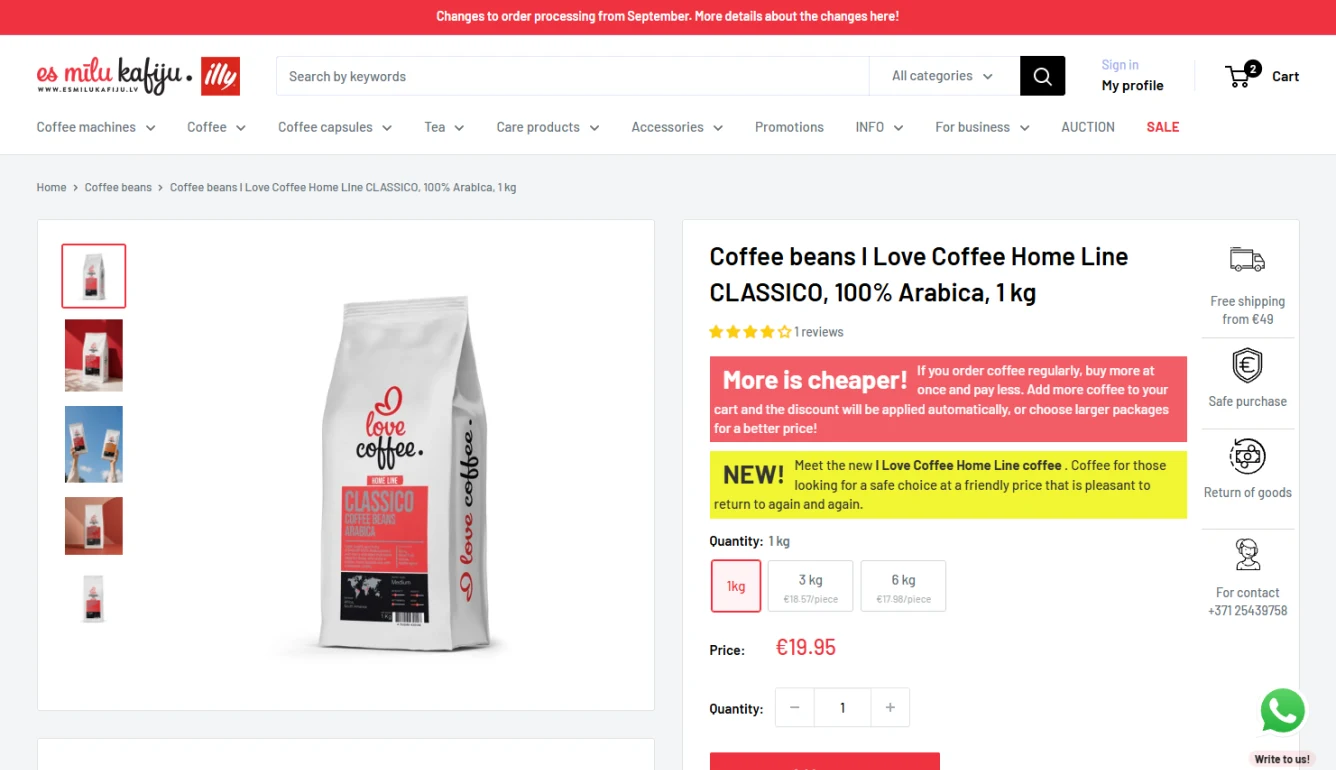
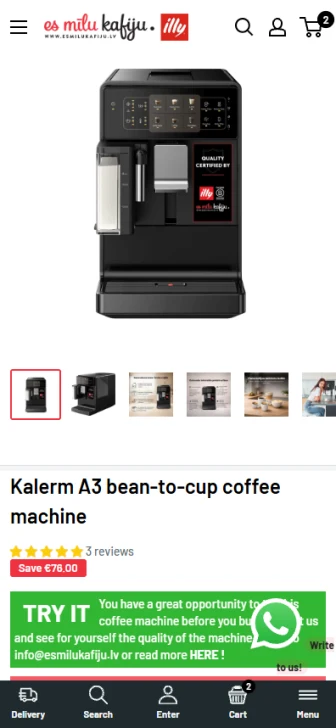
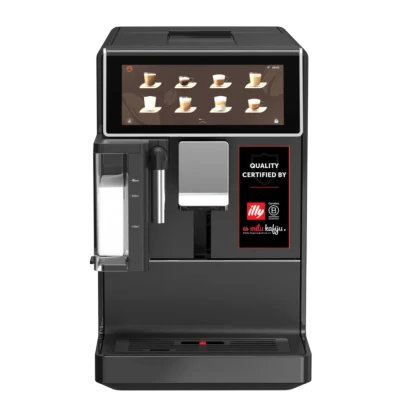
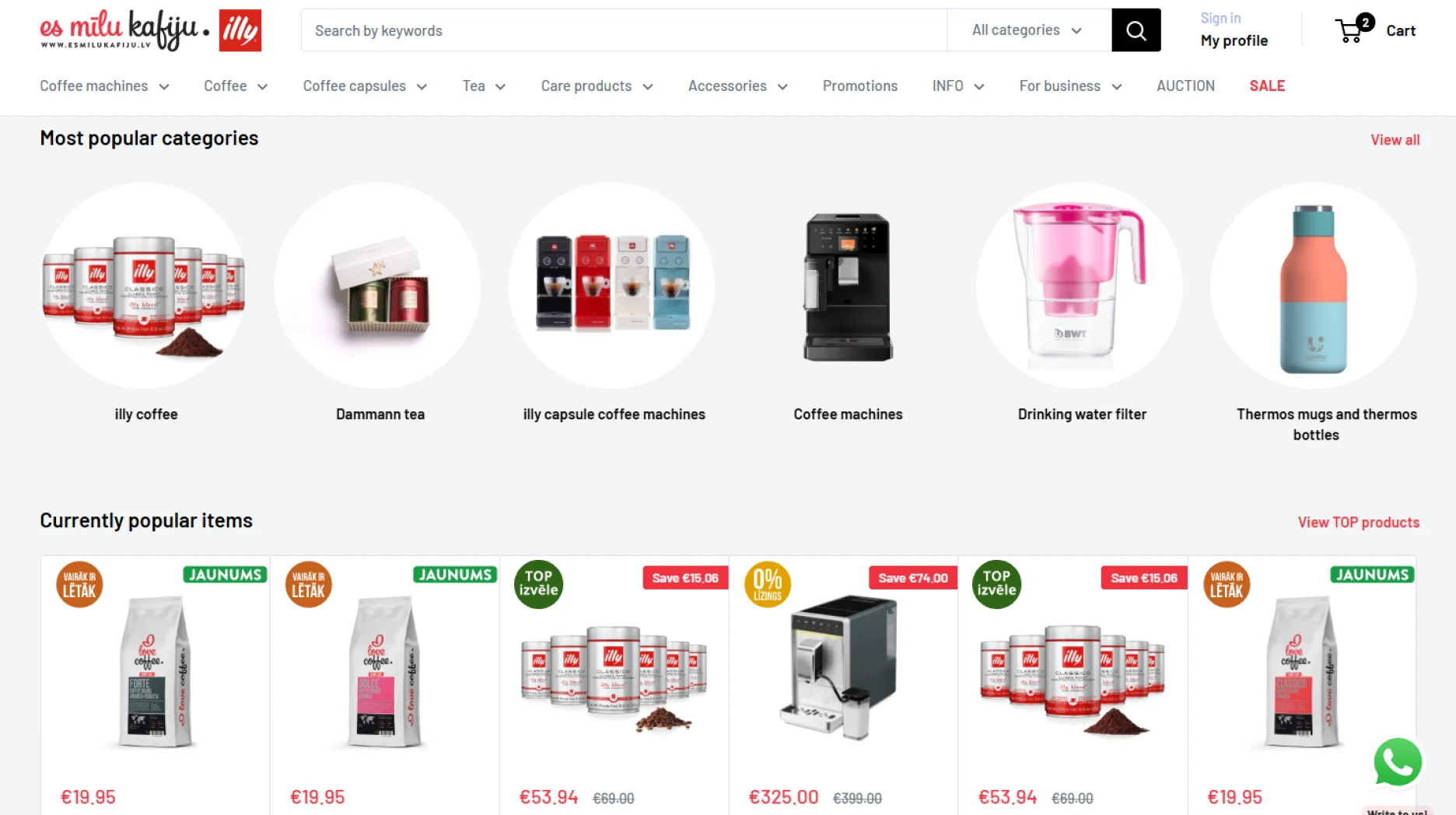
- CRO redesign across navigation, collections, product pages and cart
- Legacy custom checkout moved toward Shopify standard checkout
- Conversion-focused UX improvements designed
I Love Coffee

I Love Coffee already operated an established Shopify store and had historically worked with a freelance Shopify developer. When that developer changed professions, the business needed a reliable long-term eCommerce partner. At the same time, there were opportunities to improve the shopping journey and a growing technical need to replace the company's legacy custom Shopify checkout.
- Latvia — B2C + B2B
- esmilukafiju.lv
- Shopify + Hansa ERP
Services Provided:
- eCommerce Usability Audit
- CRO
- UX/UI
- Shopify Development
- Checkout Migration
The Challenge
The Starting Point
I Love Coffee already operated an established Shopify store and had historically worked with a freelance Shopify developer. When that developer changed professions, the business needed a reliable long-term eCommerce partner. At the same time, there were opportunities to improve the shopping journey and a growing technical need to replace the company’s legacy custom Shopify checkout.
What the Client Believed Was Wrong
The business needed both a new long-term Shopify development partner and a clearer understanding of where the existing customer journey could perform better. There was also a specific platform challenge: the legacy custom checkout needed to be migrated to Shopify’s standard checkout environment.
What Had Already Been Tried
I Love Coffee had an established Shopify operation supported by a freelance developer and had developed a custom checkout solution historically used to avoid Shopify transaction commissions. The business also already invested heavily in educational content, guides, FAQs and product recommendations.
Why It Needed Attention
The previous freelance development relationship ended, creating a need for a new technical partner. At the same time, Shopify platform changes meant the company’s legacy custom checkout could no longer remain the long-term solution, making checkout migration and broader eCommerce optimization timely priorities.
Risk of Doing Nothing
The business would remain dependent on an increasingly incompatible legacy checkout while identified UX and CRO friction across navigation, collections, product pages and cart remained unresolved. This would limit the ability to continuously improve conversion performance and maintain long-term Shopify compatibility.
Constraints That Shaped the Solution
The project needs to improve an already established Shopify operation without unnecessarily disrupting it. I Love Coffee also serves both consumers and businesses, sells products ranging from frequently purchased coffee to higher-consideration coffee machines, and relies heavily on education and expert recommendations to help customers choose the right products.
What Success Needed to Mean
A more intuitive and conversion-focused shopping experience across the most important customer touchpoints, combined with a successful transition away from the legacy checkout to a Shopify-compatible long-term solution.
Our Approach
-
What the Evidence Showed
The opportunity was not simply to redesign the website. Specific customer-journey touchpoints needed improvement, from how customers navigate and discover products to how products are evaluated and added to an order. The company’s educational positioning also means UX should help translate coffee expertise into clearer digital product discovery and purchasing decisions.
-
What We Prioritized First
Usability analysis before development. Rather than beginning with assumptions about what needed redesigning, WD Market first identified friction and opportunities across the existing customer journey. This created a prioritized CRO roadmap before implementation began.
-
How We Delivered It
WD Market started with an eCommerce Usability Audit before recommending development. Findings were translated into CRO-focused Figma designs covering navigation, collection pages, product pages and side cart. WD Market is implementing these improvements in Shopify while simultaneously handling the migration from the legacy custom checkout to Shopify’s standard checkout experience.
-
How the Engagement Evolved
The usability audit translated the broad objective of improving the store into a focused implementation scope covering four high-impact areas: navigation, collections, product pages and side cart. In parallel, Shopify’s platform requirements made replacing the legacy custom checkout an important technical priority.
The People Behind The Work
Project / Account Management, CRO / Usability Specialist, UX/UI Designer, Shopify Developer, QA / Technical Support.
-

Jānis Strautiņš
Support Team Lead
Focus: Support · Troubleshooting · Coordination
-

Tomass Bērziņš
Head of E-Commerce & Co-Owner
Focus: Growth strategy · CRO · Customer Journey
-

Deins Grets
Head of UI/UX & CRO
Focus: UI/UX · Usability · Customer Journeys · CRO
-

Anush Avetisyan
QA Team Lead
Focus: QA · Payments · Integrations · Release Quality
-

Mark Jayvee Aivan Vargas
Developer
Focus: Shopify Development
-

Mārcis Motcats
E-commerce System Engineer
Focus: Full-scale enterprise systems · Automation Workflows · Technology



 25+ Developers, Designers, CRO Specialists & others
Strategic Decisions
-

Recommendation
The engagement was approached through analysis first, allowing WD Market to identify specific high-impact improvements rather than recommending an unnecessary full Shopify rebuild.
-

What We Deliberately Did Not Recommend
We did not recommend rebuilding the entire Shopify store. The stronger approach was to preserve the existing platform and focus investment on specific customer-journey areas identified through the usability audit while resolving the checkout architecture that genuinely required modernization.
-

Rebuild / Redesign / Spend Decision
The store did not need to be replaced. Instead, WD Market prioritized evidence-led improvements to navigation, collections, product pages, side cart and checkout.
Results We Delivered
-
Measured Results
Comprehensive CRO improvement package designed across navigation, collection pages, product pages and side cart, alongside the migration of the legacy custom checkout toward Shopify’s standard checkout architecture.
-
Evidence and Metrics
A comprehensive eCommerce Usability Audit identified improvement opportunities across several high-impact parts of the customer journey, particularly navigation, collection pages, product pages and side cart. These findings became the basis for a dedicated CRO redesign and implementation package.
-
What the Client Gained Beyond the Metric
I Love Coffee gained a long-term Shopify partner capable of connecting business objectives with UX, CRO and technical implementation. Instead of simply replacing the previous developer, the relationship introduced a more structured process of analyze → prioritize → design → implement → continuously optimize.