- WooCommerce
- Figma
How We Rebuilt Evelatus Into a Baltic eCommerce Platform for 860,000 Products
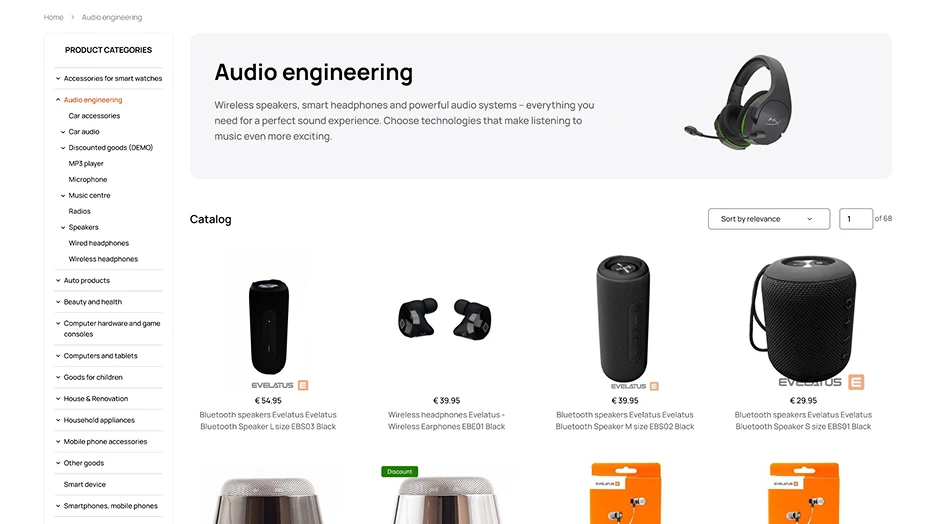
Evelatus had outgrown its legacy eCommerce infrastructure. The project objective was to build a scalable Baltic eCommerce ecosystem capable of supporting a catalogue of approximately 860,000 products, create a dedicated B2B sales channel, automate ERP-driven product and order processes, improve localization across Baltic markets, and establish the infrastructure required for continued B2C and B2B growth.
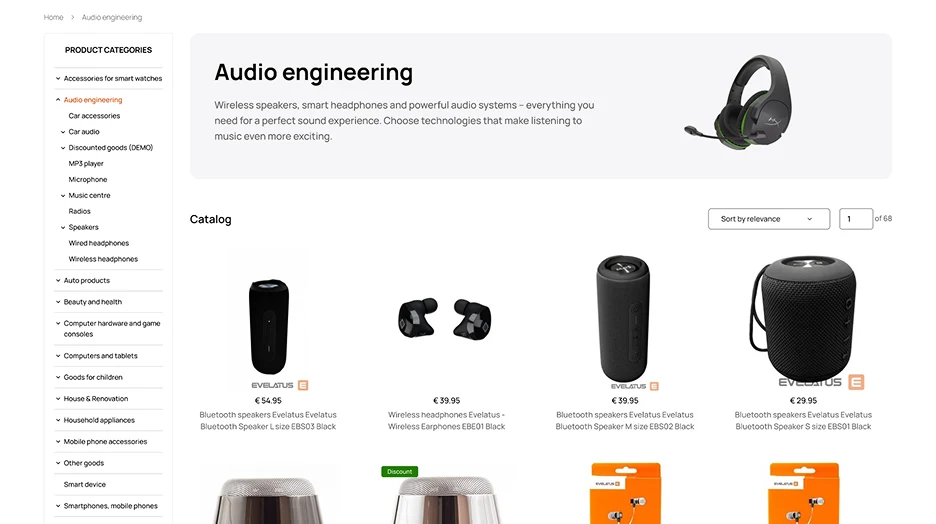
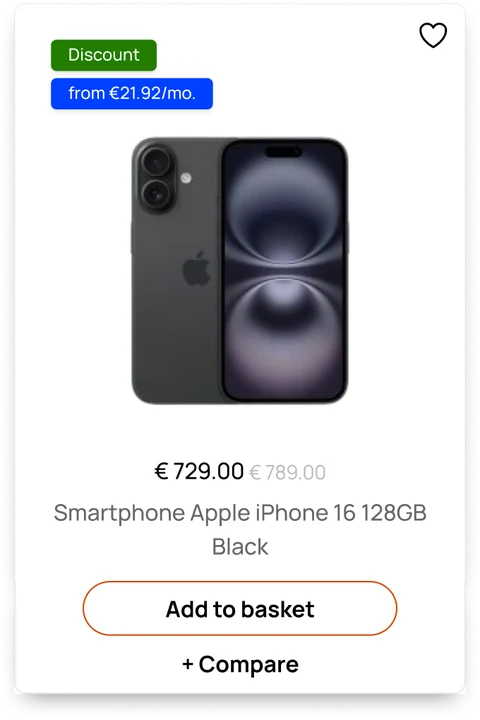
- Platform supporting approximately 860,000 products
- Dedicated B2B purchasing experience
- Baltic localization and ERP-driven automation
Evelatus

Evelatus had outgrown its legacy eCommerce infrastructure. The existing platform supported only a fraction of the company's scale, while approximately 860,000 products were still being managed manually. The business also lacked a dedicated B2B infrastructure, had inconsistent cross-border localization, and did not have the automation required to systematically drive repeat purchases.
- Baltics — B2C in Latvia, Lithuania & Estonia; B2B worldwide
- evelatus.lv
- WordPress / WooCommerce

Services Provided:
- B2C
- B2B eCommerce Replatforming
- WooCommerce Development
- ERP Integration
- Localization
- Marketing Automation
The Challenge
The Starting Point
Evelatus had outgrown its legacy eCommerce infrastructure. The existing platform supported only a fraction of the company’s scale, while approximately 860,000 products were still being managed manually. The business also lacked a dedicated B2B infrastructure, had inconsistent cross-border localization, and did not have the automation required to systematically drive repeat purchases.
What the Client Believed Was Wrong
The existing OpenCart infrastructure had become a technical bottleneck. Evelatus needed a more maintainable and scalable platform that could support continued B2C growth, wholesale operations and deeper integration with its internal ERP.
What Had Already Been Tried
The company had continued operating and maintaining its existing OpenCart environment, but technical limitations, bugs and update issues increasingly restricted what could reliably be developed on top of it.
Why It Needed Attention
Evelatus entered the project through the 2024 LIAA programme. Following a lengthy approval process, funding was confirmed and the business had a limited implementation window in which to replace the legacy platform and deliver the agreed functionality.
Risk of Doing Nothing
Evelatus would remain dependent on an increasingly difficult-to-maintain legacy platform. Technical debt, update limitations and restricted functionality would continue to slow development and make it harder for the eCommerce operation to support the company’s growth ambitions.
Constraints That Shaped the Solution
WD Market had to deliver a highly complex transformation within a tight implementation window. The solution needed to accommodate approximately 860,000 products, connect with Evelatus’ custom ERP, support both B2C and B2B operations, handle multiple Baltic markets and preserve SEO visibility throughout the migration.
What Success Needed to Mean
A reliable eCommerce ecosystem that supports continuous sales growth, integrates correctly with internal business systems and allows new functionality to be developed efficiently. Post-launch, success also means resolving technical issues quickly and continuously improving the platform.
Our Approach
-
What the Evidence Showed
The existing platform was not designed for Evelatus’ current scale. Product management was heavily manual, B2B customers lacked a dedicated purchasing environment, localization varied between markets, and customer retention was not supported by systematic automation. Scaling required addressing the underlying commerce infrastructure rather than simply redesigning the storefront.
-
What We Prioritized First
Scalable commerce infrastructure and ERP automation. With approximately 860,000 products, manually maintaining catalogue data was not sustainable. Connecting the eCommerce platform with Evelatus’ ERP created the foundation required for scalable product management, B2B functionality, localization and future growth.
-
How We Delivered It
WD Market rebuilt the storefront with a conversion-focused UX/UI and developed the supporting eCommerce infrastructure: custom B2B commerce, ERP integration and full catalogue automation, automated multilingual expansion, GeoIP-powered market localization, scalable product search, Klaviyo email marketing integration and SEO migration without traffic loss.
-
How the Engagement Evolved
Stakeholder ownership changed during and after implementation, revealing the need for a clearer communication structure. The collaboration was subsequently reorganised so new development requests flow through one primary operational contact, reducing ambiguity and creating a clearer approval process. Post-launch priorities have also shifted toward deeper analytics and more reliable ERP/WooCommerce status synchronisation.
The People Behind The Work
Project Manager, UX/UI Designer, WooCommerce Developers, Integration/Backend Developers, QA, Technical Support.
-

Einārs Melderis
Project Manager
Focus: Project Delivery · Communication · Coordination
-
Lauris Priede
Chief Technology Officer
Focus: Architecture · Integrations · Performance
-

Deins Grets
Head of UI/UX & CRO
Focus: UI/UX · Usability · Customer Journeys · CRO
-

Anush Avetisyan
QA Team Lead
Focus: QA · Payments · Integrations · Release Quality
-

Mārcis Motcats
E-commerce System Engineer
Focus: Full-scale enterprise systems · Automation Workflows · Technology
-

Rainers Leitarts
Full-stack Developer
Focus: Development · Integrations · Checkout


 25+ Developers, Designers, CRO Specialists & others
Strategic Decisions
-

Recommendation
No major strategic reversal was required. Replacing the legacy OpenCart infrastructure was justified by its technical limitations. WD Market’s role was to translate the business requirements into a maintainable B2C/B2B architecture and ensure the new platforms worked with Evelatus’ existing ERP ecosystem.
-

What We Deliberately Did Not Recommend
We did not recommend continuing to invest heavily in extending the aging OpenCart environment. Its technical limitations would have made continued development increasingly difficult and created further technical debt.
-

Rebuild / Redesign / Spend Decision
A rebuild was appropriate. The underlying platform had become part of the problem, so Evelatus required more than incremental UX changes or additional plugins. The infrastructure itself needed to be modernised.
Results We Delivered
-
Measured Results
Successfully launched a new Baltic eCommerce ecosystem capable of supporting approximately 860,000 products, introduced a dedicated B2B purchasing experience, expanded Baltic localization and established the technical infrastructure for a higher-value average order profile.
-
Evidence and Metrics
The core project outcome is currently supported primarily by delivery and operational evidence rather than validated public performance uplift data: successful migration from OpenCart to WooCommerce, launch of separate B2C and B2B environments, custom ERP integration and continued post-launch development. Advanced analytics and order-status synchronisation are currently being improved to establish more reliable performance measurement.
-
What the Client Gained Beyond the Metric
Evelatus gained significantly more than a redesigned website: a scalable commerce infrastructure connecting its product catalogue, ERP, B2B operations, Baltic storefronts, search, localization and marketing automation. Processes that previously depended heavily on manual management can now operate through a much more integrated system.
- B2B Channel Dedicated Experience Serves business clients. Custom pricing, credit, visibility.
- Baltic Expansion Fully Localised Servicing Serving Latvia, Estonia, Lithuania. Barriers removed.
- Higher AOV Built-in bundle deals Encourages customers to add more at the point of purchase.